"I really enjoyed working on something that could make a real impact on my community. It made the concepts we learned in Econ feel more important — not just graphs and numbers, but real tools that could actually help people."

Parents of current McDonogh students may sign up for website accounts. Signing up for an account allows a parent to access the online directory, DASH, and your customized parent Personal Page.
Alumni can create an account in order to take advantage of McDonogh Connect or Pledgemail.
Advanced Economics: Mid-Term Project and Presentation
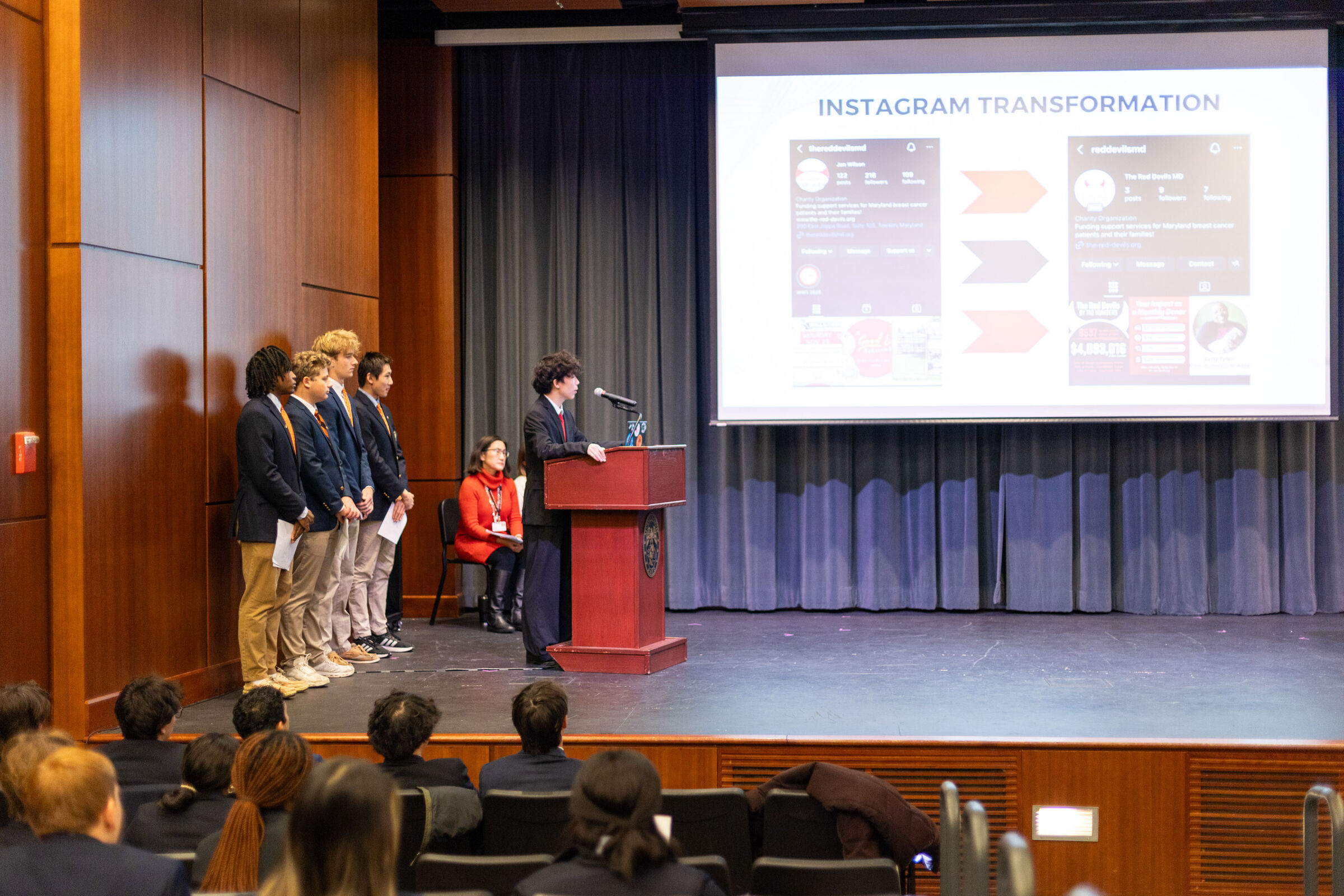
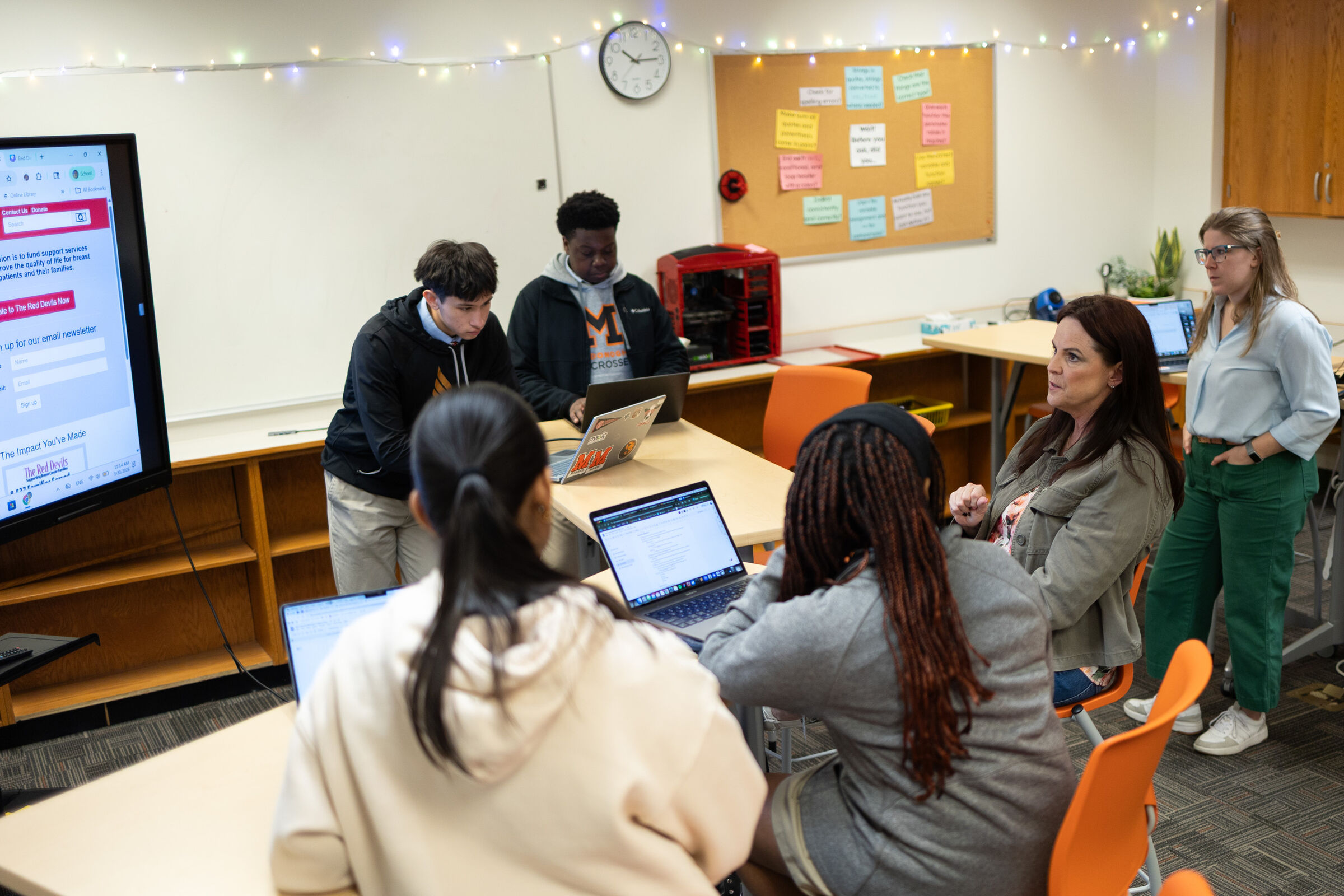
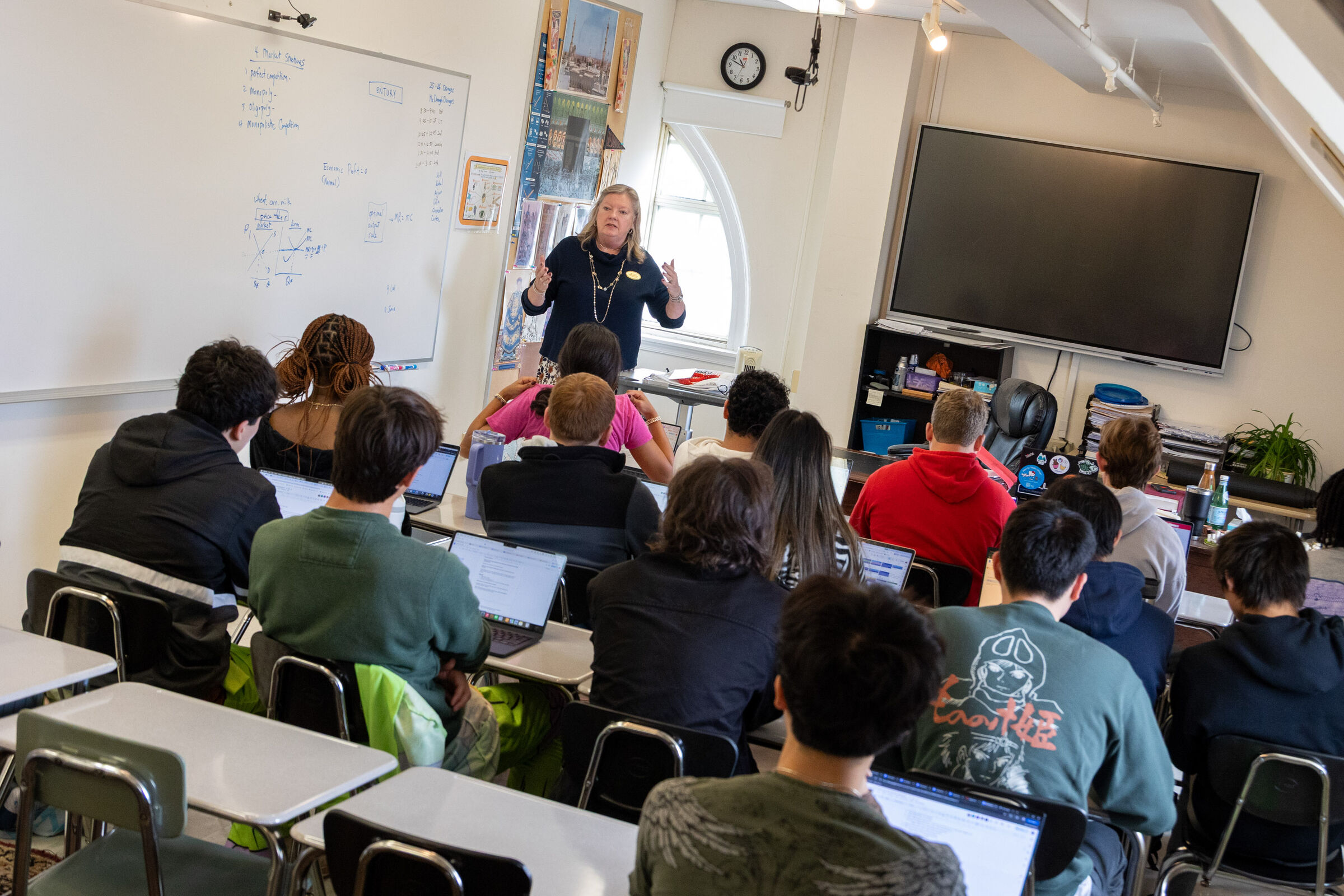
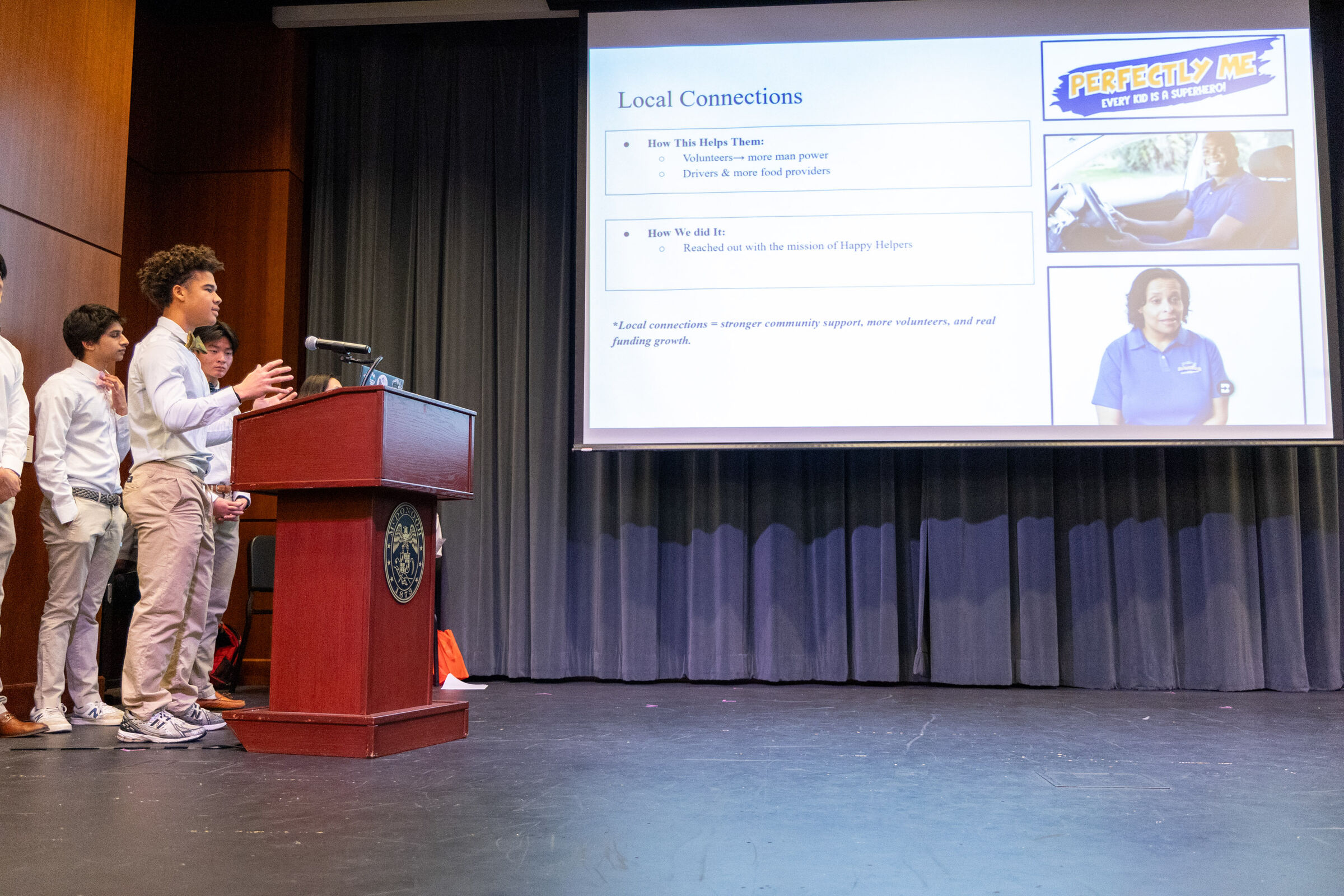
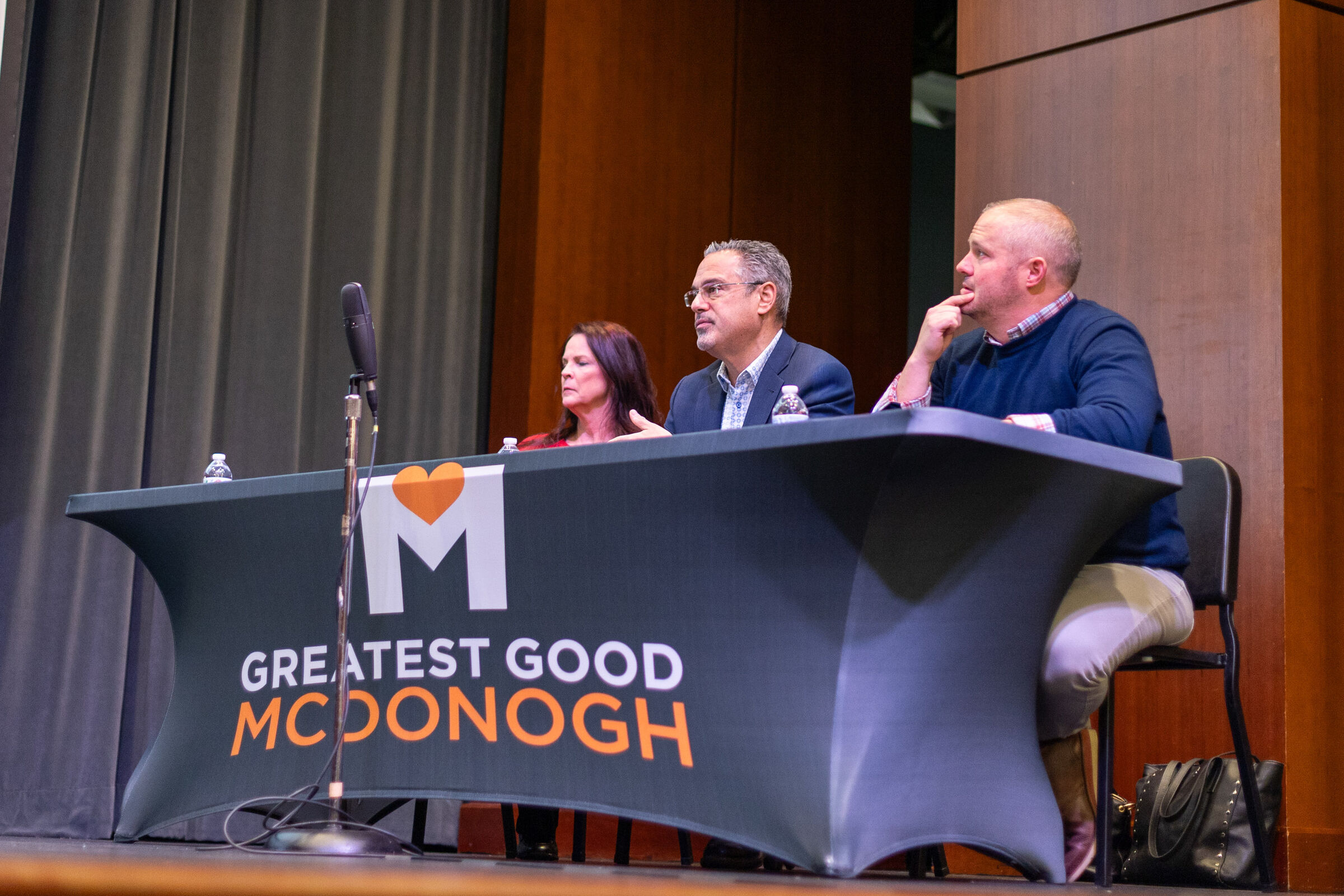
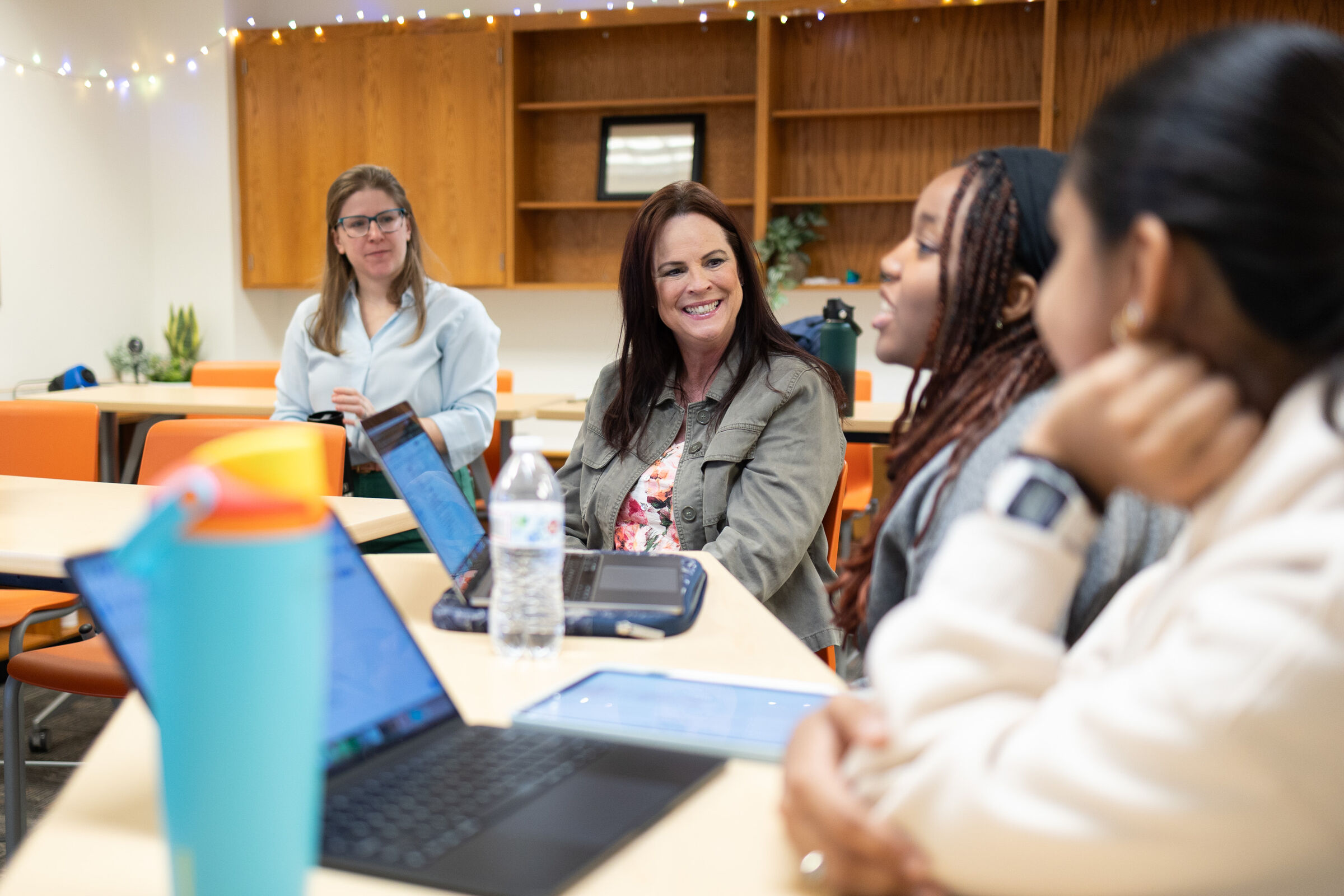
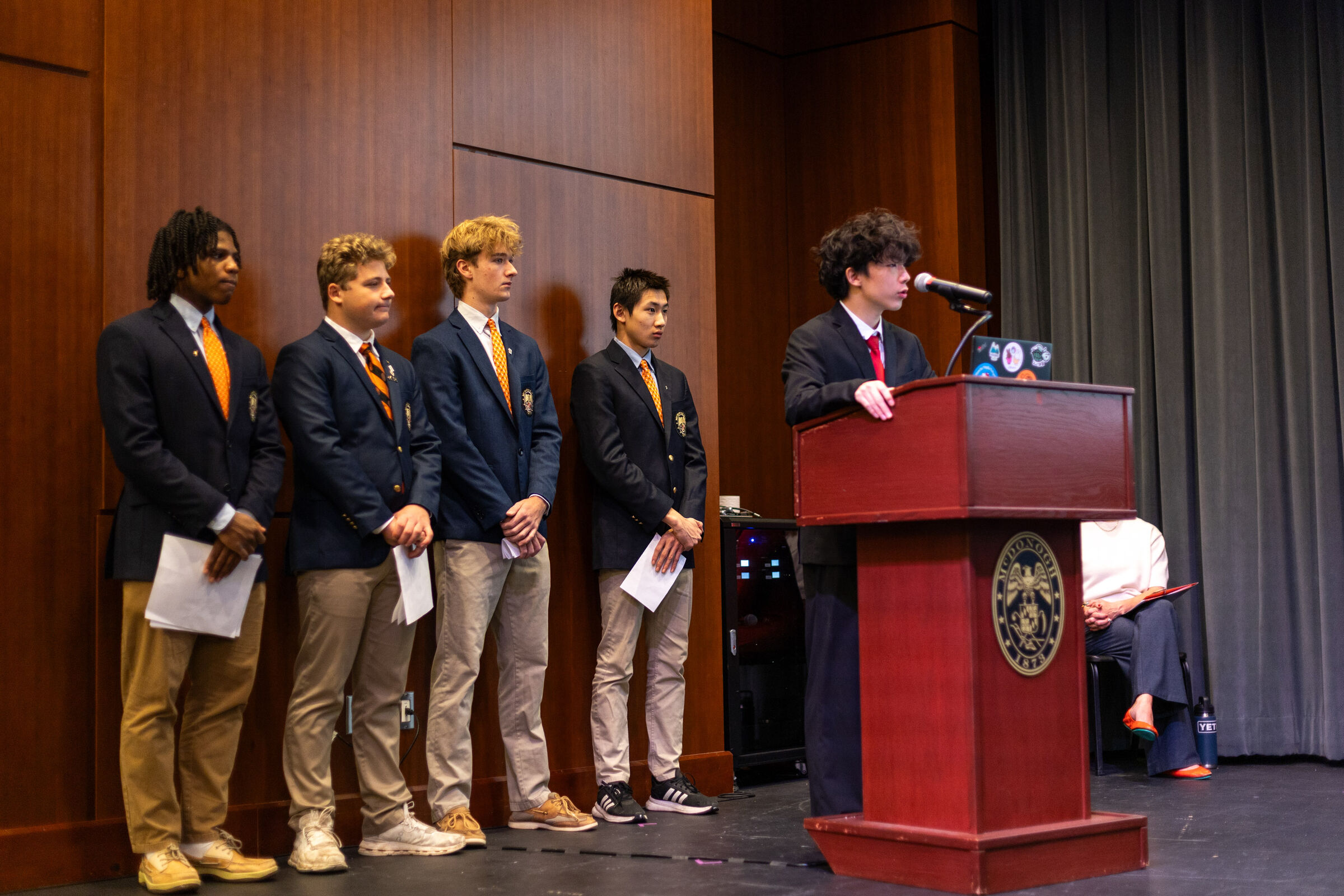
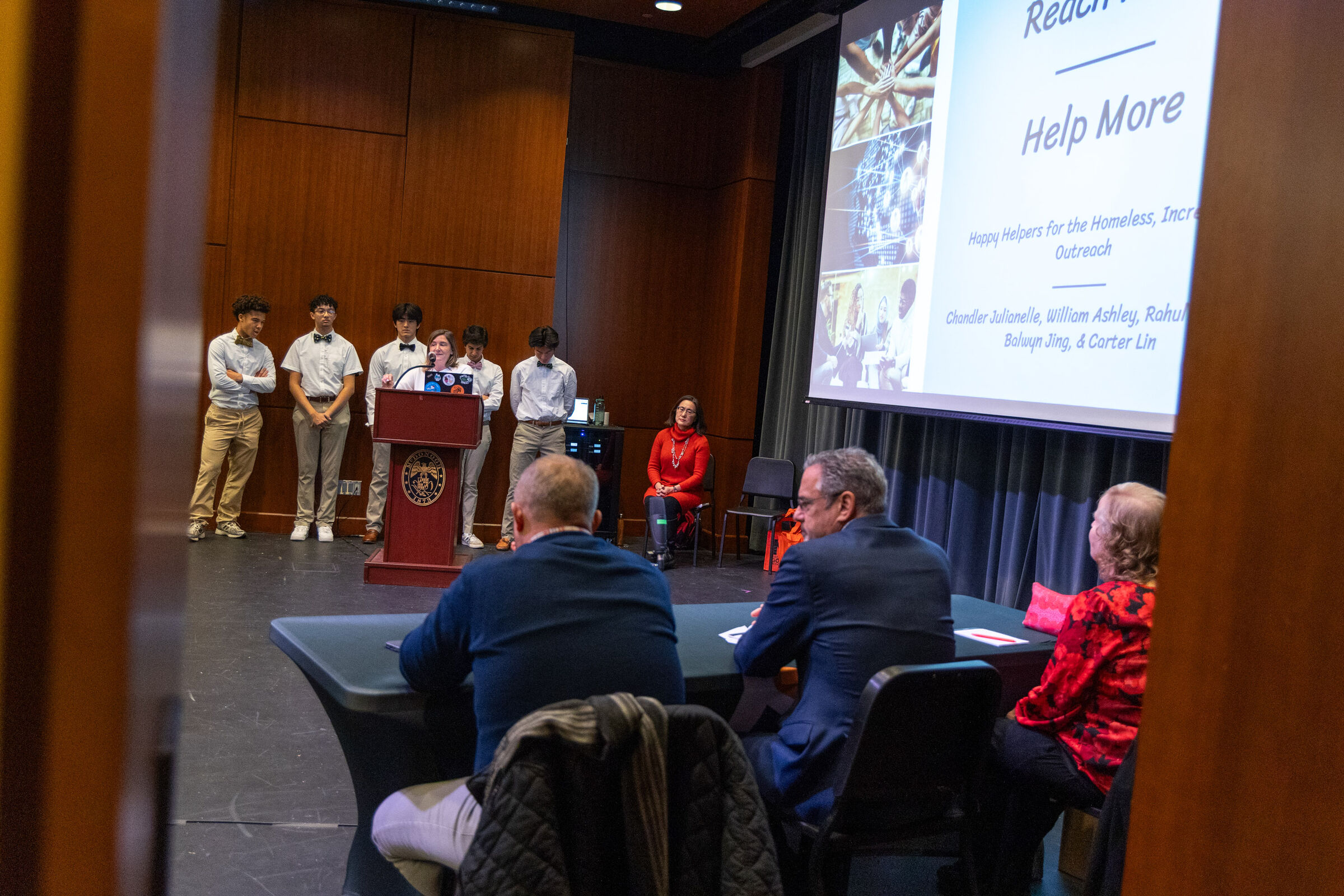
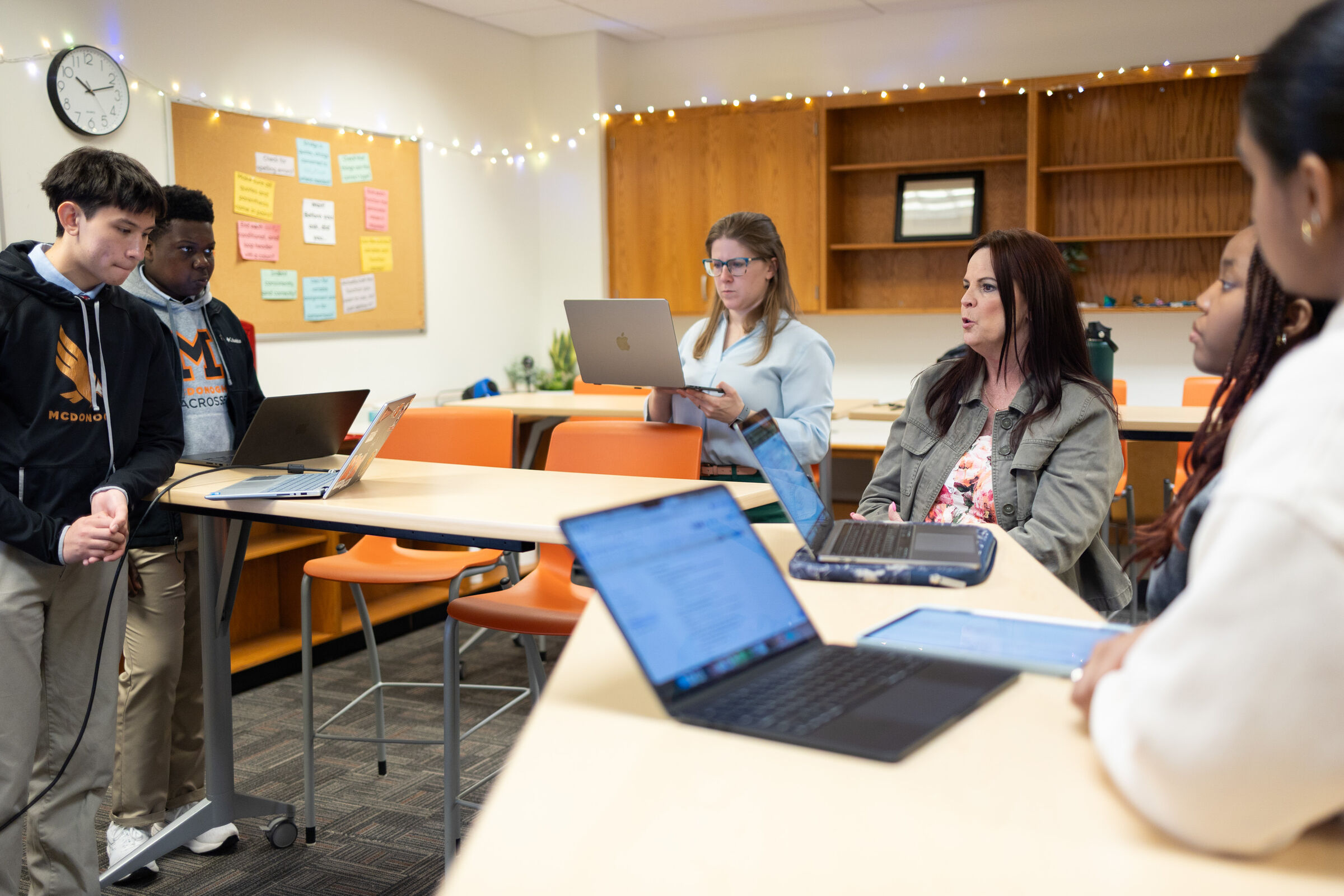
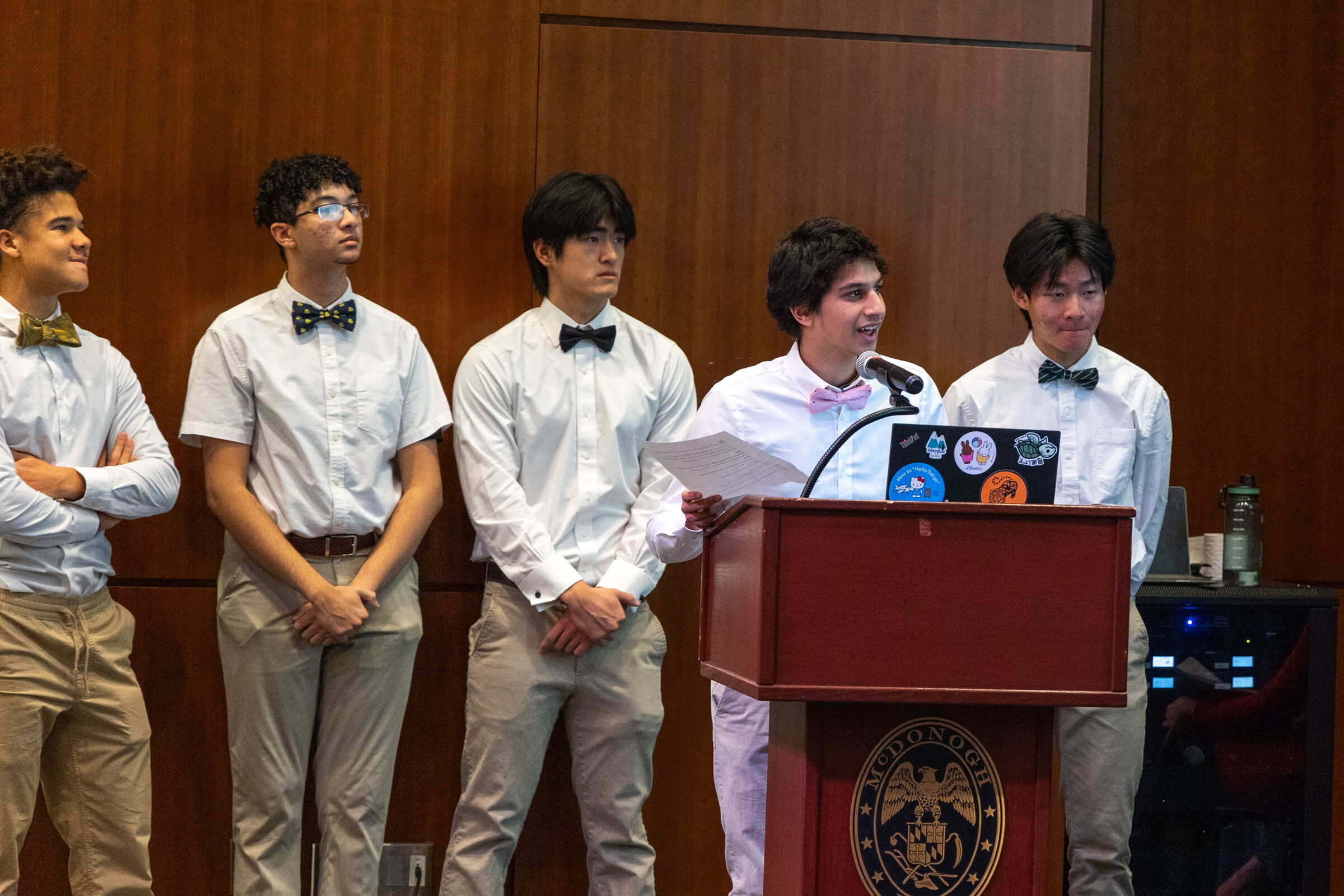
In this course, students learn to think like an economist and to understand the decision-making processes of consumers and producers. In preparation for their mid-term exam, they were connected with two local non-profits and, working as consultants during the six-week project, created solutions to help the organizations expand their reach in the community. For their mid-term exam, they presented their proposals to a panel that included the executive directors of the two nonprofits, philanthropist David D. Rothschild '82, and Mack McGee '03, Chief Marketing Officer for CareFirst Blue Cross Blue Shield.
The students worked with two Greatest Good McDonogh's nonprofit partners, Happy Helpers for the Homeless and the Red Devils.
Both organizations are volunteer-operated, and the "staff" is solely focused on their missions of serving constituents: the unhoused and breast cancer patients and their families, respectively. Neither organization has the budget or expertise to increase support — volunteer and financial — through basic marketing efforts such as website enhancement and social media.
Students developed a business marketing plan and presented a creative pitch to their client. Students were asked to be as specific as possible about the purpose of their campaign, the audience, the medium they suggested using (TikTok, Snapchat, Instagram, billboard, Facebook, TV ads), and the value added.
The organizations were presented with professional, actionable marketing plans filled with ideas they can implement without paying consultants. They realized that the young people really care and want to have an impact. They learned that they don't have to pay somebody to implement many of the ideas and that there are plenty of volunteers who have the capacity and the willingness to really help them.
The students saw that the theories they learned in class don't just live in the textbook or as a case study, but can be applied to the real world. They saw an end goal and understood that they could contribute something useful to both organizations. They were inspired to work hard and wanted to make a difference.
Their teacher, Joanne Cho, shares that the meaningful opportunity to support the local organizations inspired her students to "go the extra mile." She adds, "In the process of working with the nonprofits, the students realized how their Economics class prepared them to make an impact now, instead of in the distant future."
"I really enjoyed working on something that could make a real impact on my community. It made the concepts we learned in Econ feel more important — not just graphs and numbers, but real tools that could actually help people."
"The project was very fulfilling because by helping the nonprofit, we provided them with insights that could benefit the communities they serve at a larger and more efficient scale."
"This project changed my thinking. It made me more conscious of my privilege, broadened my perspective, and helped me understand the need for nonprofits in our community."
"Doing work that impacts a real organization makes me feel like my work has purpose and meaning."