IDEA
Course or Project
English III: Law in Literature
Overview
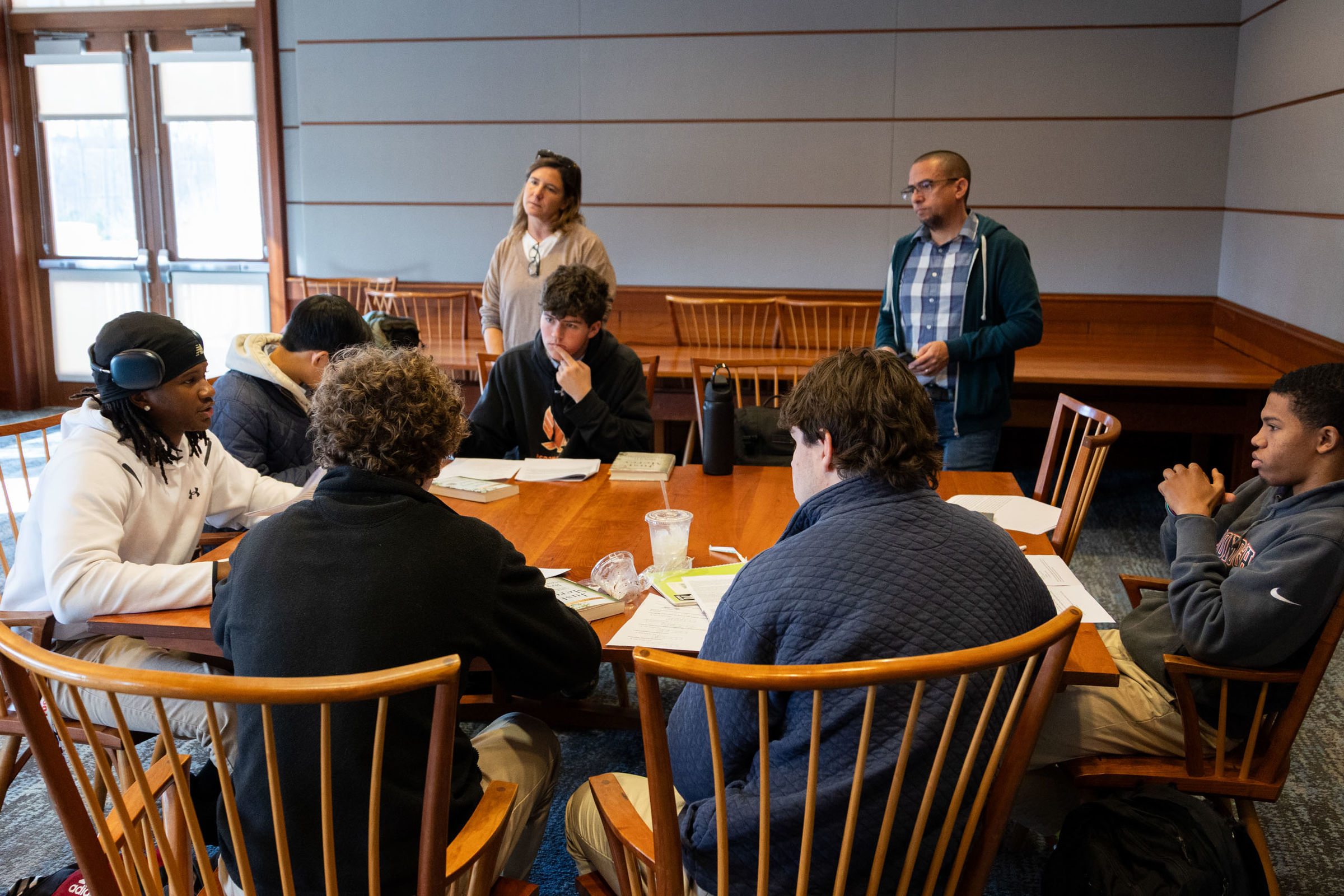
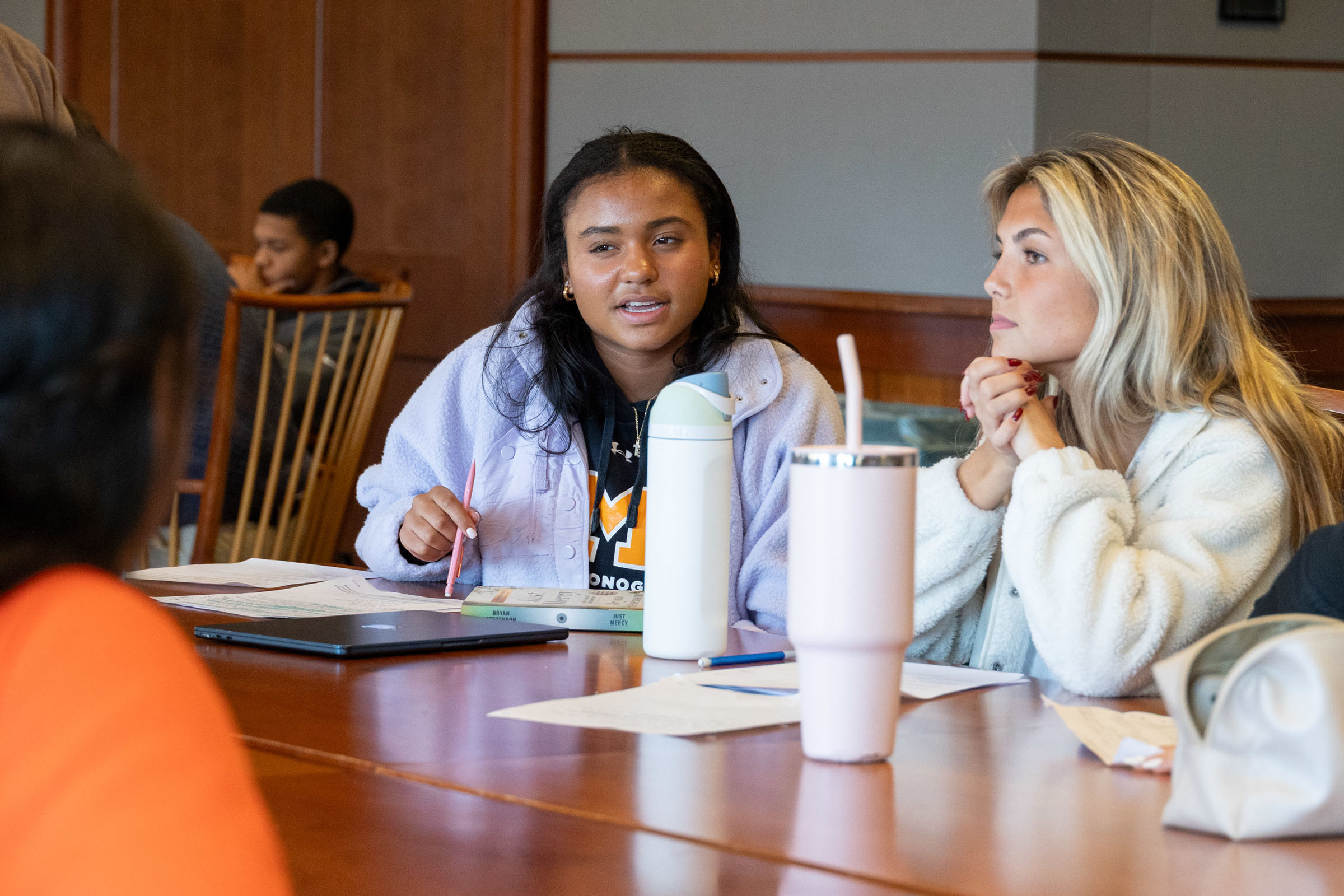
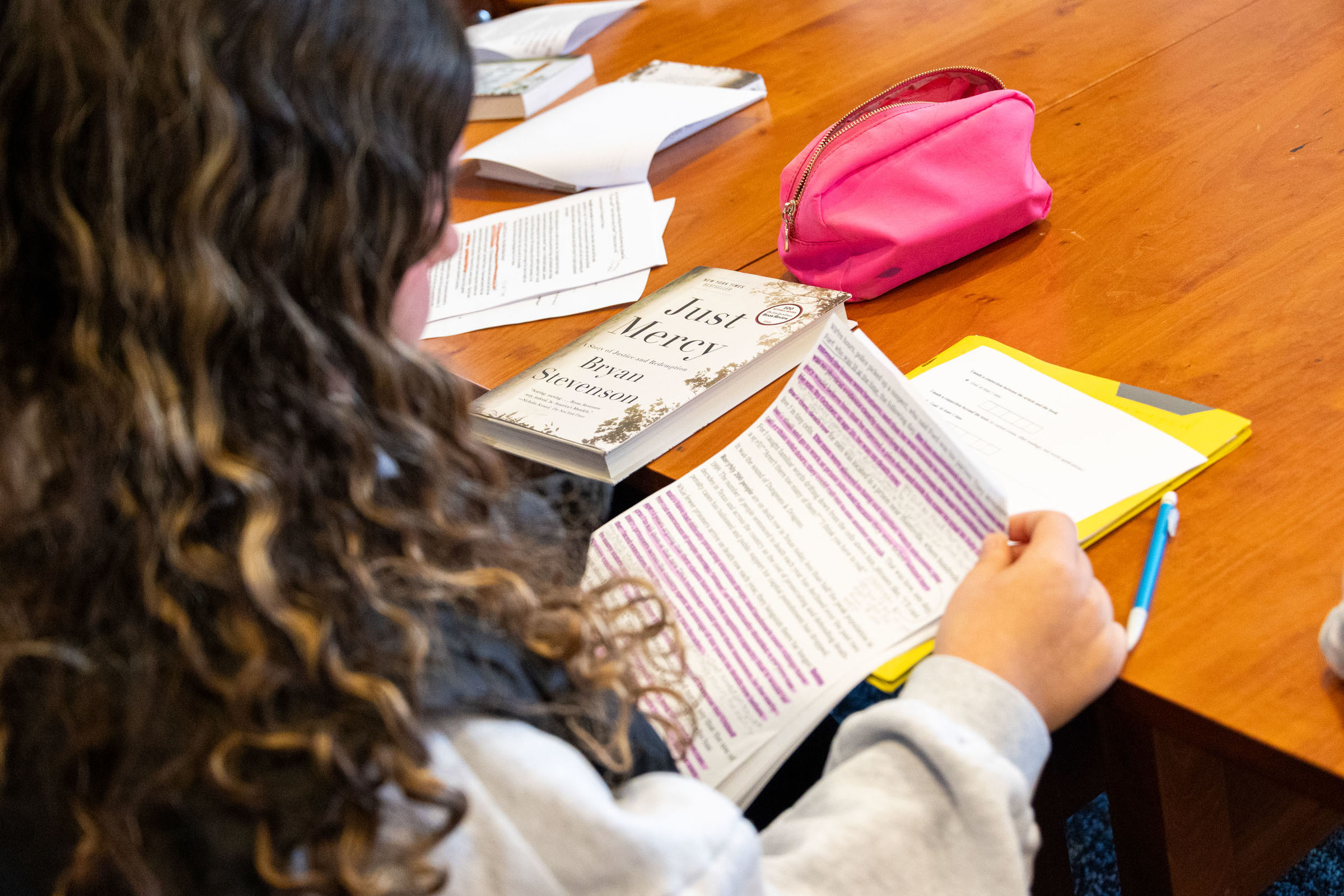
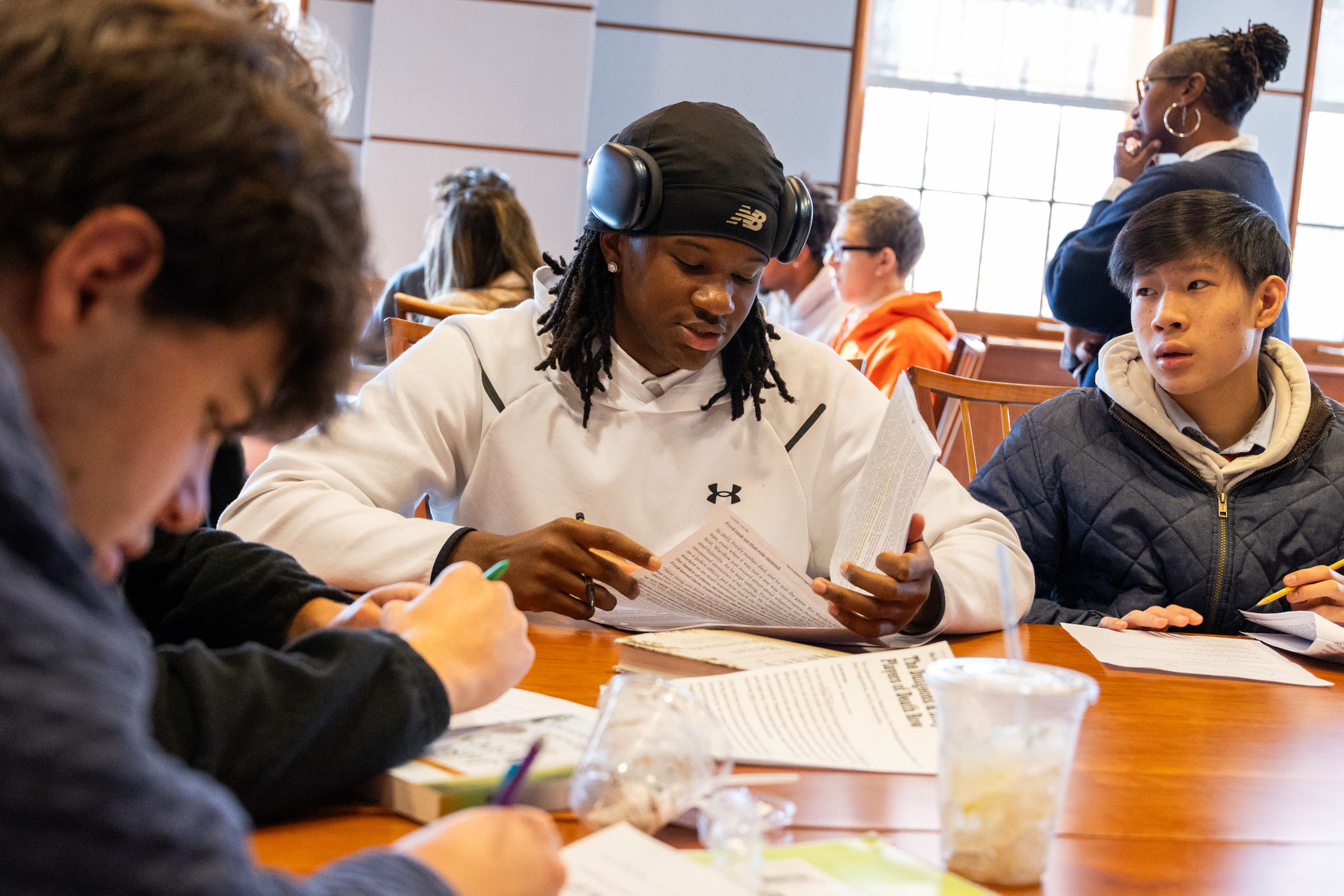
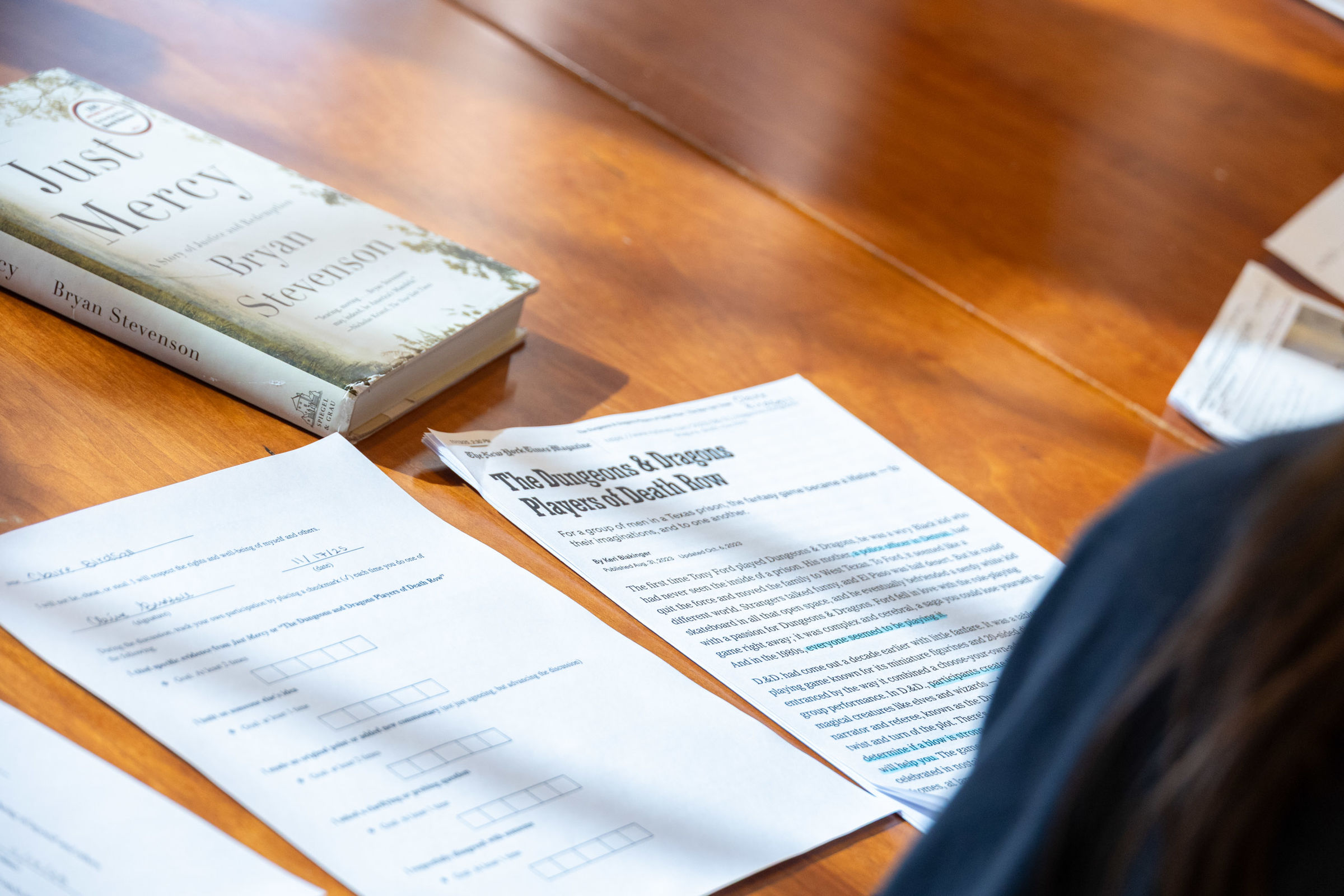
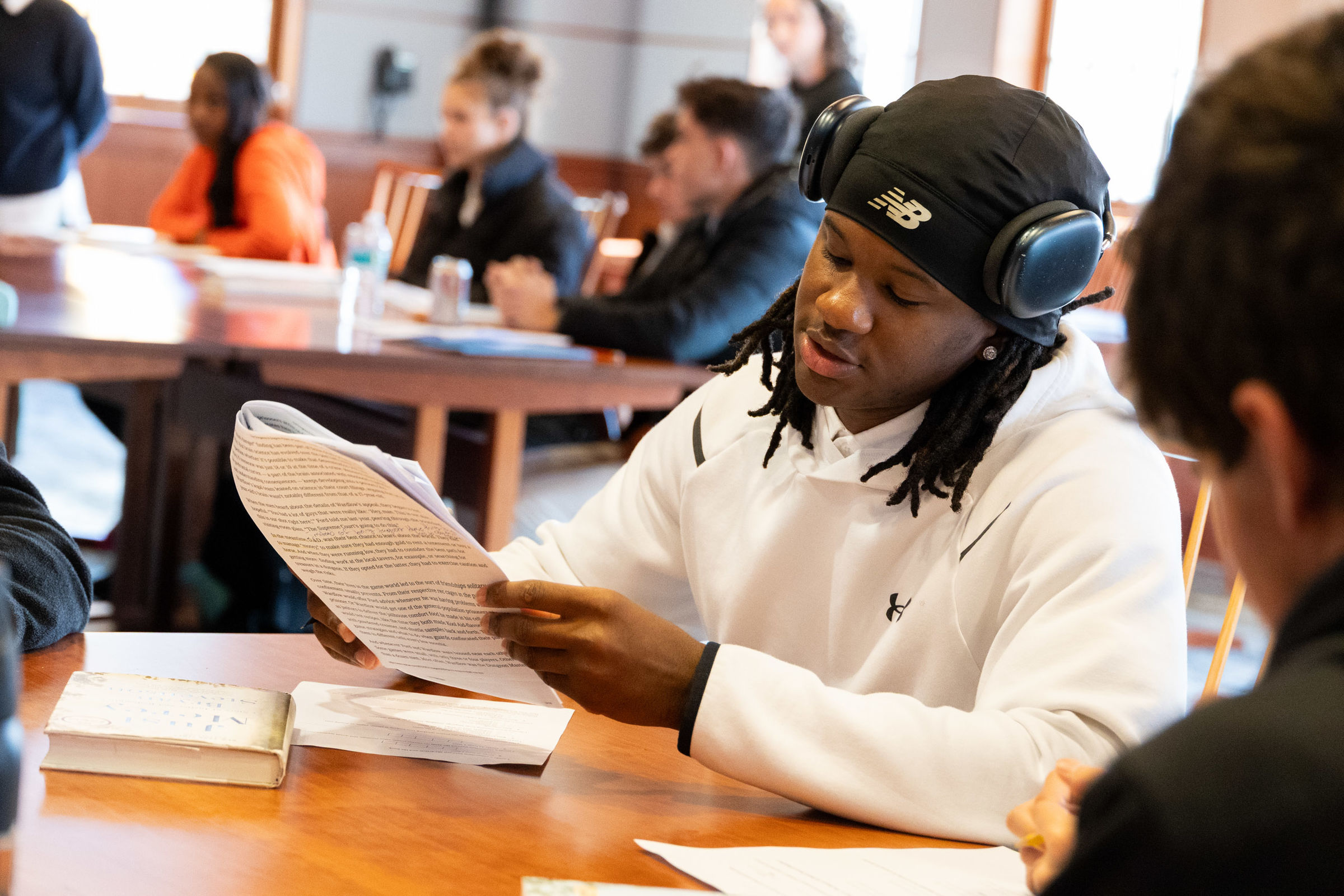
Students studied juvenile justice through fiction and within the greater Baltimore area. We read The Nickel Boys, a novel based on the Dozier School, where young men were sentenced for minor crimes such as smoking in school or incorrigibility. We applied our understanding of autocharging, the expectation that children as young as 14 can be sent to adult jail for certain crimes, to analyze Maryland's juvenile justice system.
Students examined how Maryland's approach to youth crime criminalizes children rather than rehabilitating them, and we collaborated with Advance Maryland to raise awareness about the need for reform. Through this partnership, students offered feedback that shaped public awareness campaigns highlighting that Maryland sends more children to jail per capita than any other state, advocating for policy changes that prioritize rehabilitation over incarceration for young people.
Implementation
Who We Served
The class partnered with Baltimore Action Legal Team (BALT) and Advance Maryland, organizations dedicated to criminal justice reform and youth advocacy in Baltimore City.
The Challenge
The challenge was to raise awareness about the overcriminalization of youth in Baltimore. Maryland sends more children to jail per capita than any other state (besides Alabama), yet many residents are unaware of this reality. Students needed to understand complex legal concepts like autocharging and mandatory sentencing while also developing compelling advocacy campaigns that could shift public perception and influence policy. Additionally, they had to confront their own biases about incarcerated youth through reading, listening, and learning to humanize all people caught in the justice system.
What We Did
We collaborated on an advertising campaign to dispel misconceptions about youth crime in Baltimore, to run on Maryland Transit Administration (MTA) buses and at bus stops.
What We Learned
- Cultivate Purpose: Students recognized that while Maryland may be progressive on many social issues, state leaders continue to use tough-on-crime approaches to juvenile justice and are slow to change. They learned that creating change means understanding political realities while refusing to accept injustice as inevitable.
- Develop Empathy: Students understood that incarcerated people (including juveniles) are not defined by their worst actions or their records. By reading The Nickel Boys and engaging with advocacy organizations, they learned to see youth in the justice system as full human beings deserving of dignity, second chances, and age-appropriate treatment. Additionally, they felt that everyone deserves the opportunity for rehabilitation and redemption.
- Understand Systems: Students learned that how the law is written and applied creates pipelines from schools to prisons, particularly for Black and brown youth. They examined how policies like autocharging, mandatory minimums, and charging juveniles as adults fail to account for adolescent brain development and trauma. They discovered that the system often prioritizes punishment over rehabilitation, and that changing outcomes requires changing policies, not just individual attitudes.
- Build Advocacy: Students developed skills in translating complex legal issues into accessible public messaging through the ad campaign. They learned that effective advocacy requires understanding your audience and using data and storytelling together.
- Inspire Innovation: Students recognized that meaningful reform requires systemic change, not just individual interventions. They advocated for putting systems in place to ensure justice is served, including judicial oversight before sentences are decided to ensure fairness, mandatory consideration of age and circumstances in sentencing, and investment in community-based alternatives to incarceration.
Impact
On the Organization
- Generated community engagement and public conversation about Maryland's juvenile justice practices through MTA advertisements and digital campaigns that reached thousands of Baltimore residents.
- Contributed youth perspectives and voices to ongoing policy advocacy efforts.
- Strengthened partnerships between advocacy organizations and educational institutions, demonstrating the power of youth civic engagement in driving social change.
On Students
- Gained a deep understanding of how the juvenile justice system operates in Maryland and how legal policies directly impact young people in their own communities.
- Built practical advocacy skills, including public speaking, persuasive writing, campaign design, and strategic messaging that they can apply to future civic engagement.
- Experienced the power of their own voices in contributing to real-world policy debates, transforming from passive learners to active agents of change.
- Connected classroom learning to lived realities, deepening engagement with literature by seeing how fiction illuminates contemporary injustice and inspires action.
- Cultivated empathy and challenged biases about incarcerated youth, developing more nuanced understandings of justice, accountability, and rehabilitation.
- Gained confidence in their ability to research complex issues, collaborate with professional advocates, and create work that matters beyond the classroom.