"This course and our nonprofit partnership showed me that justice is action. This informed my understanding of what justice is: you need to DO something to make change."

Parents of current McDonogh students may sign up for website accounts. Signing up for an account allows a parent to access the online directory, DASH, and your customized parent Personal Page.
Alumni can create an account in order to take advantage of McDonogh Connect or Pledgemail.
Advanced English IV: Writing for Justice
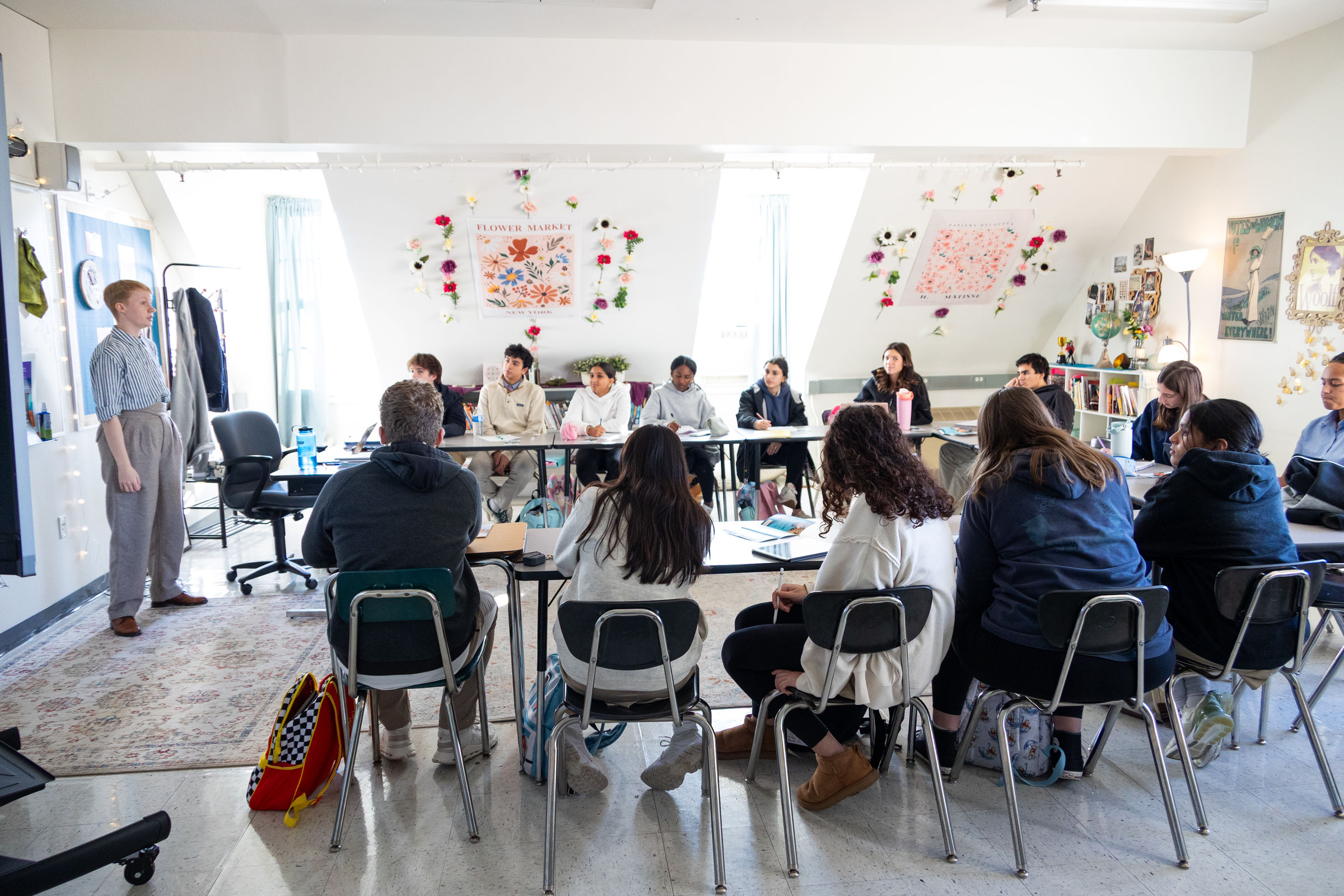
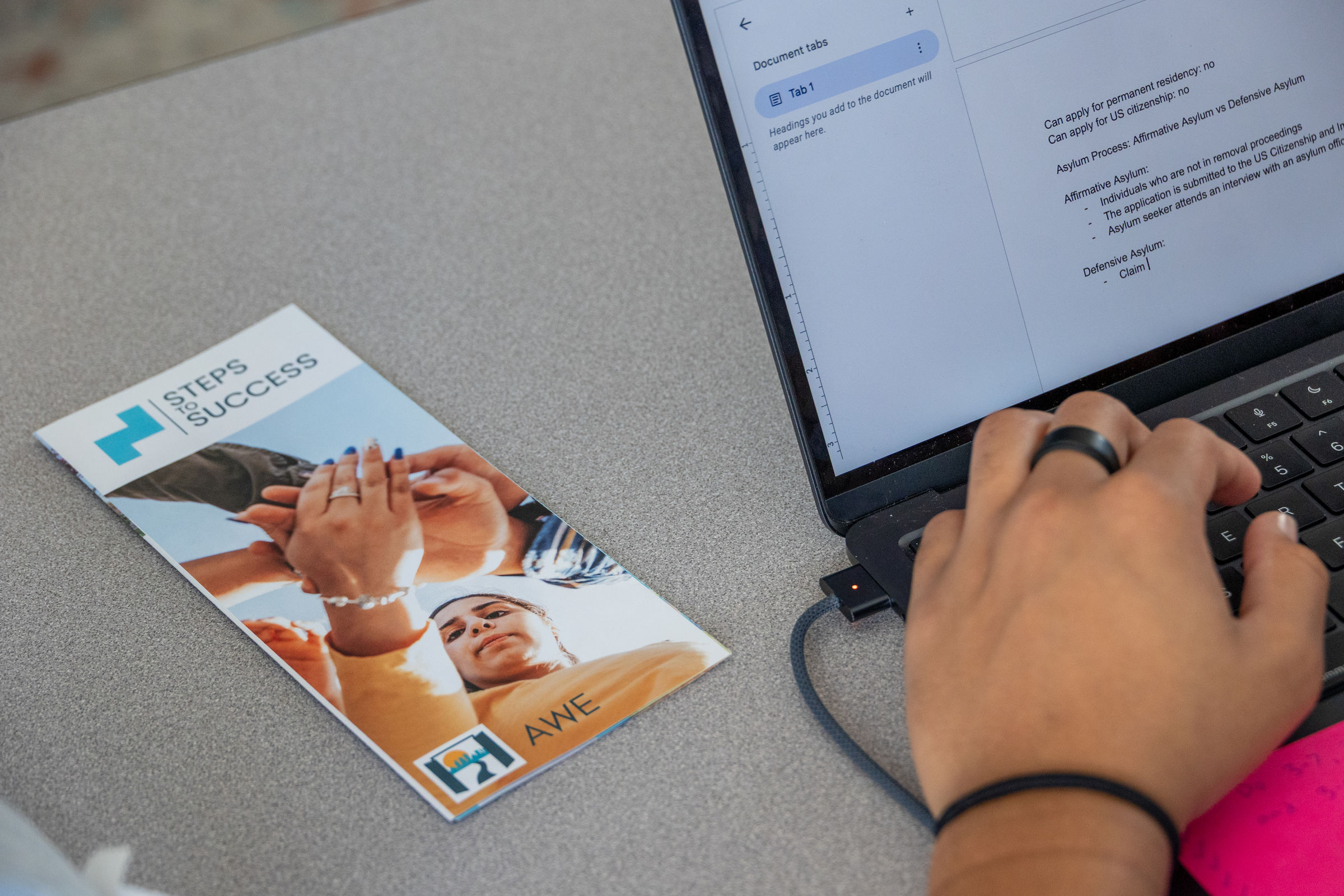
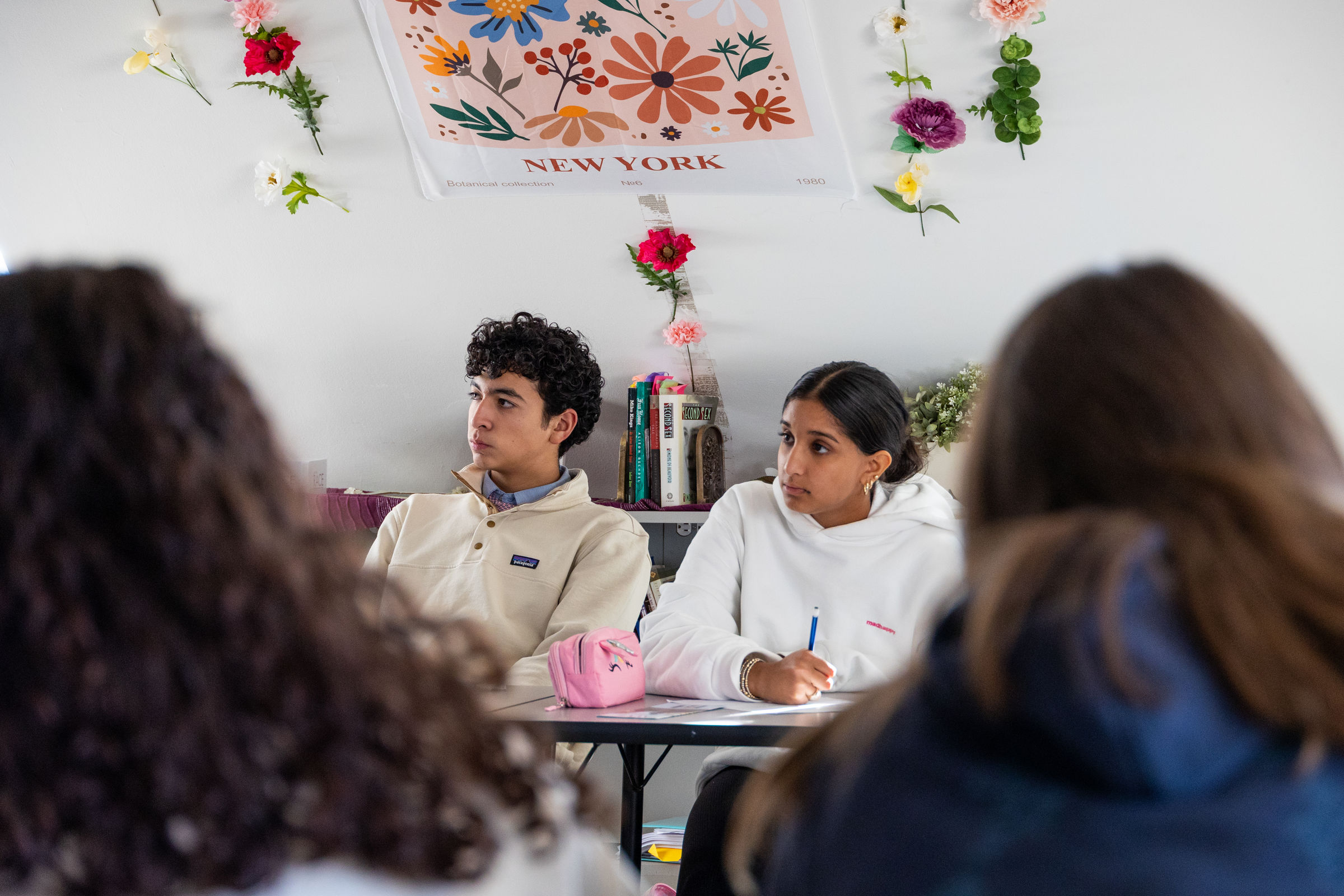
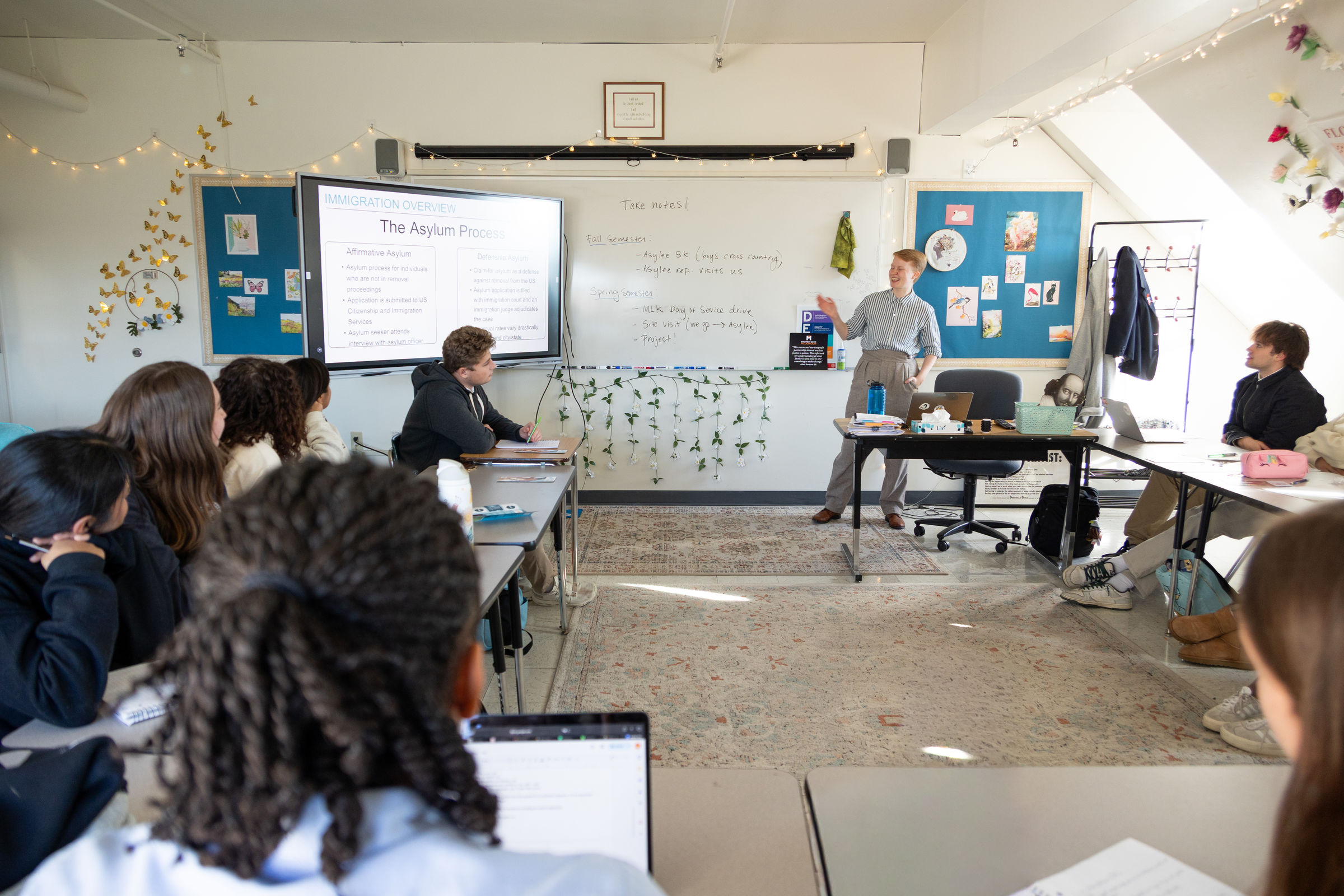
In this senior English course, students explore justice through literature, nonfiction, and lived experience. Throughout the year, they partner with local organizations to connect writing and advocacy, culminating in a capstone collaboration with Asylee Women's Enterprise (AWE), a Baltimore nonprofit serving immigrants, asylum seekers, and refugees.
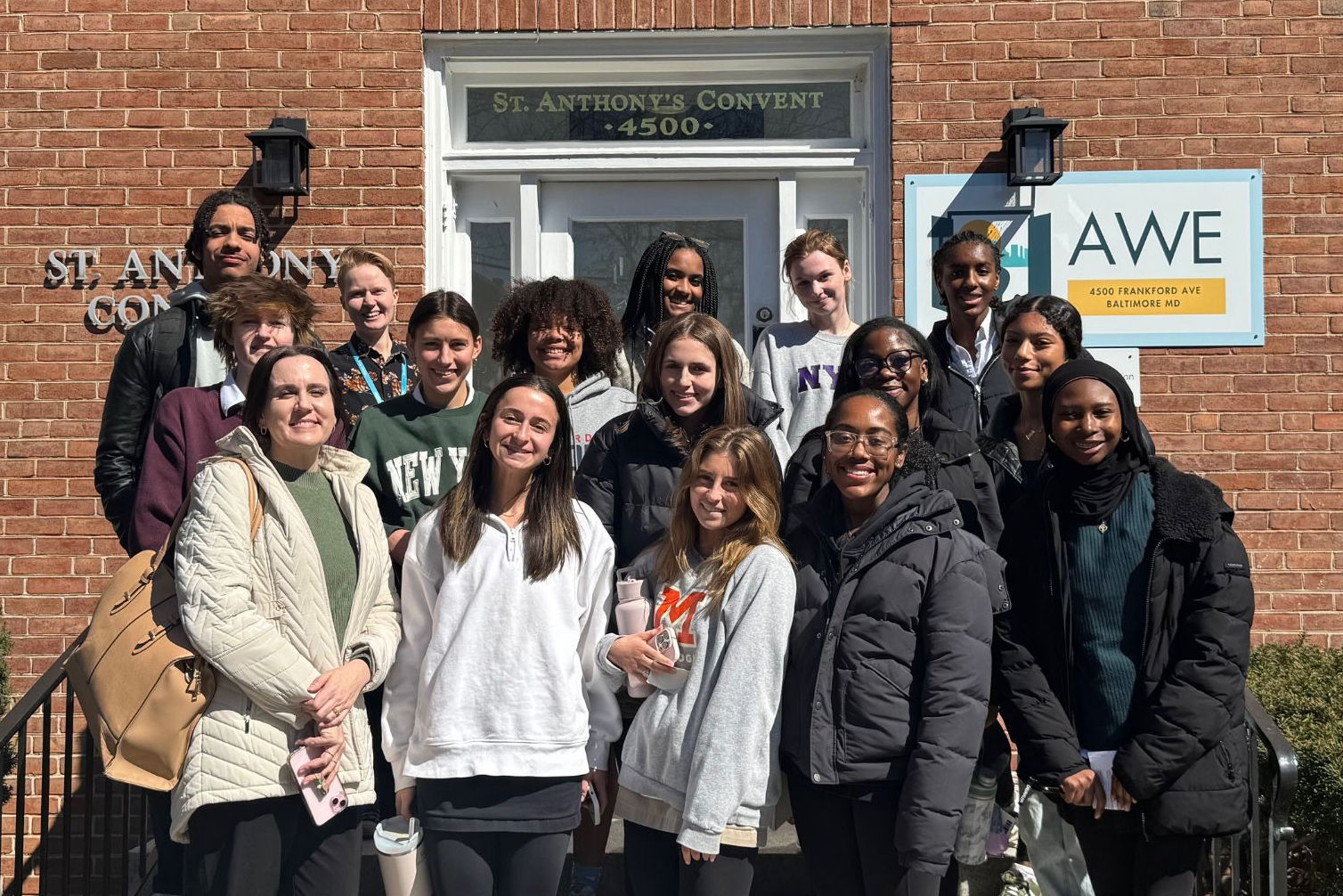
Students partnered with Asylee Women's Enterprise, which provides housing, community, and advocacy for immigrants rebuilding their lives in Maryland. They also engaged with the University of Baltimore School of Law Center for Criminal Justice and Progress Unlimited, deepening their understanding of justice across multiple contexts.
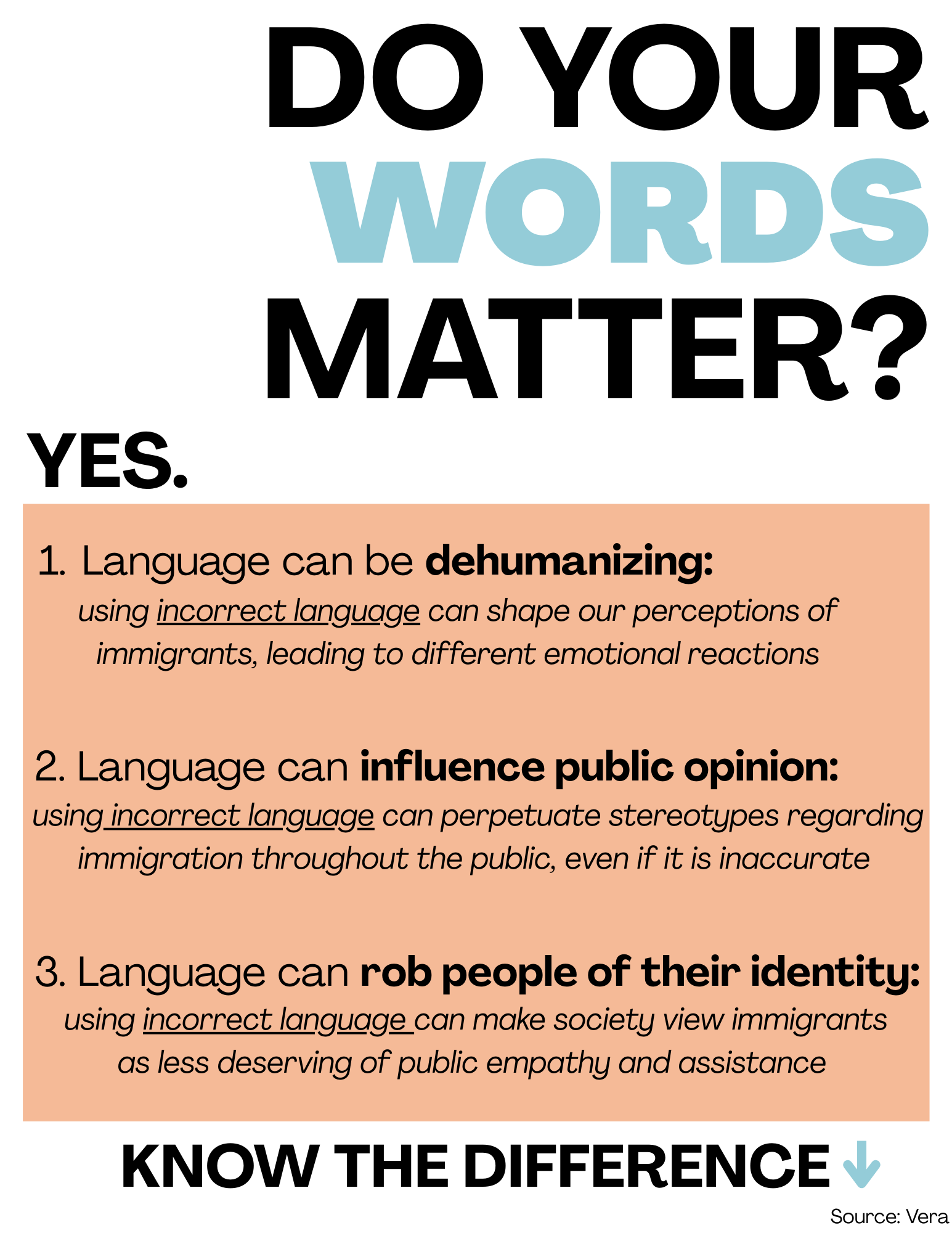
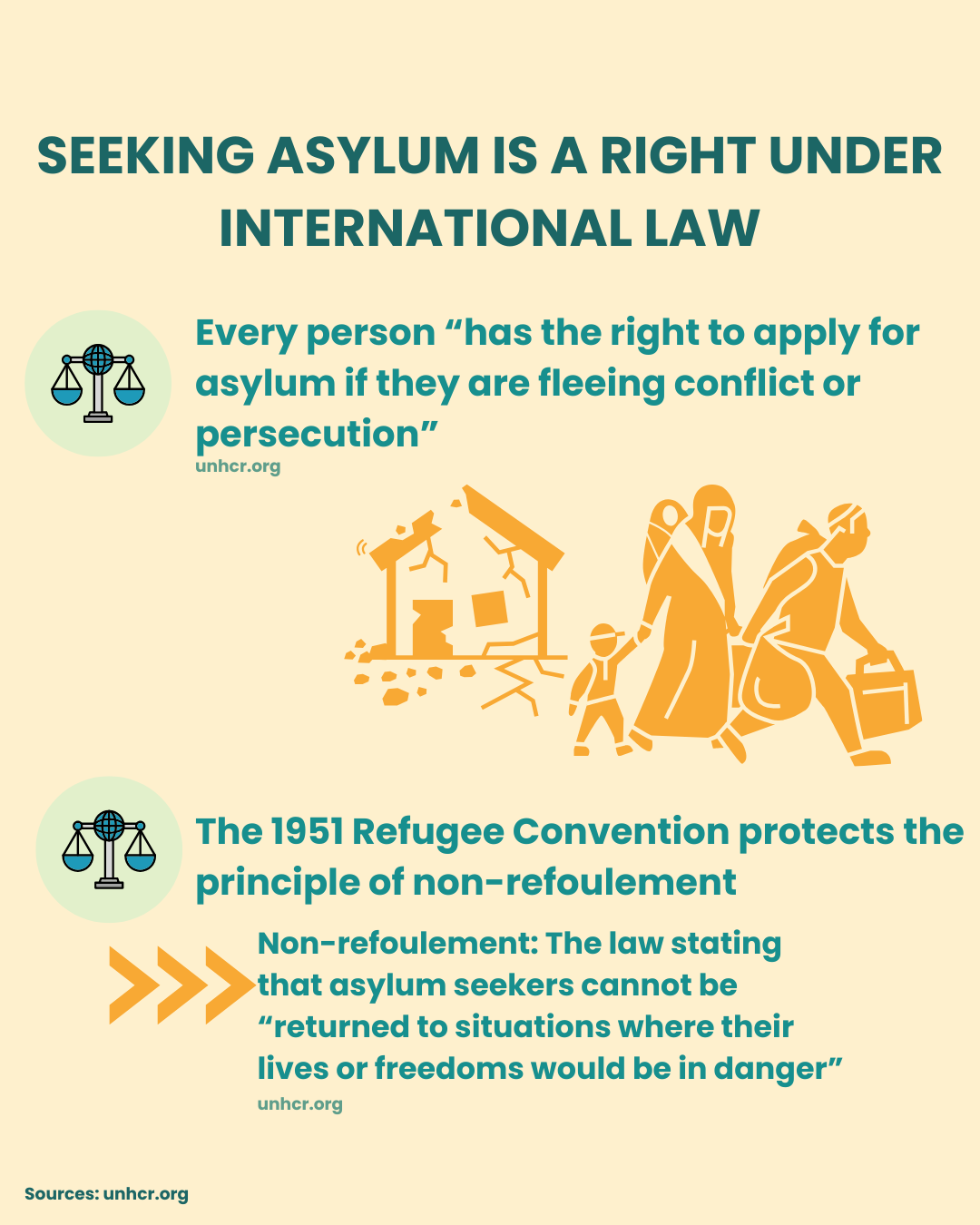
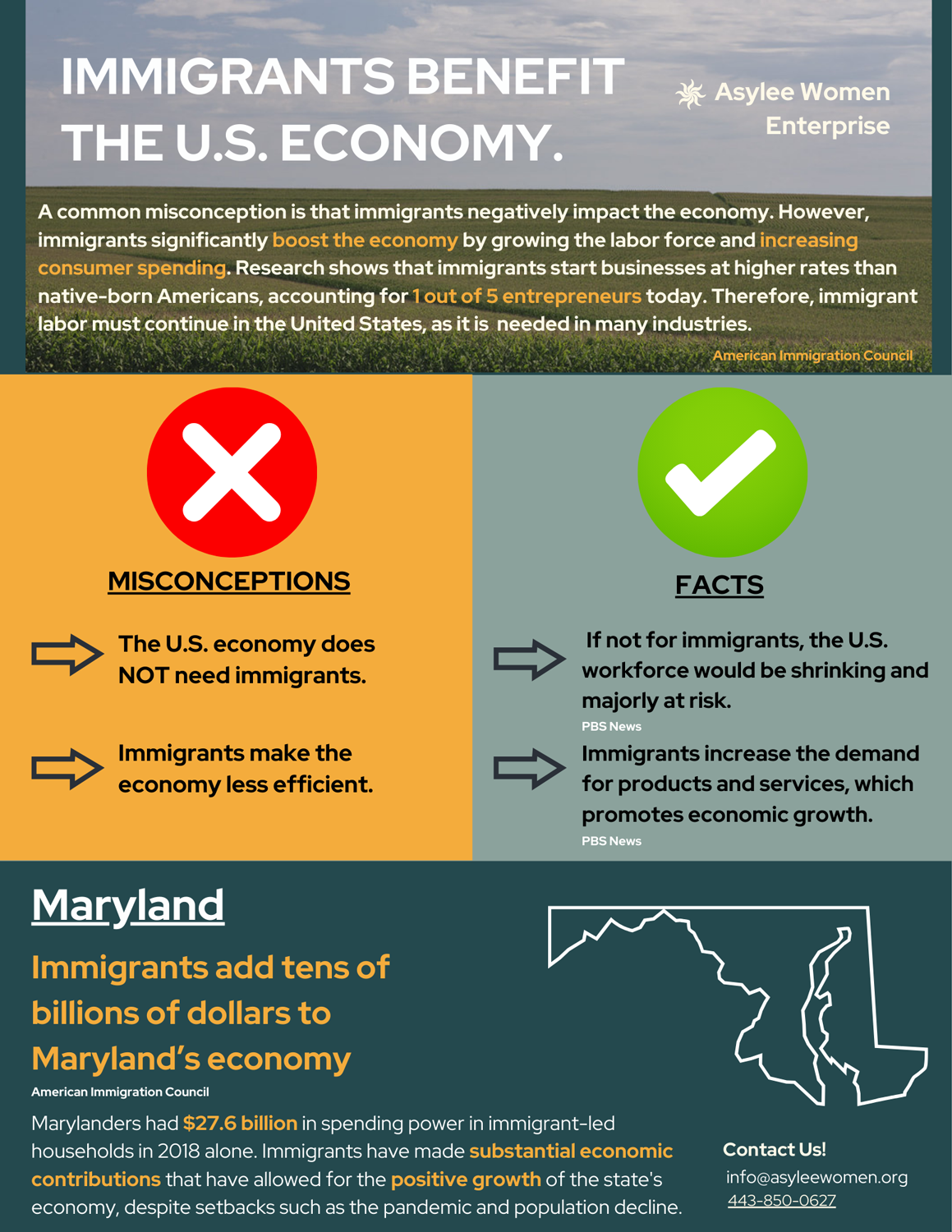
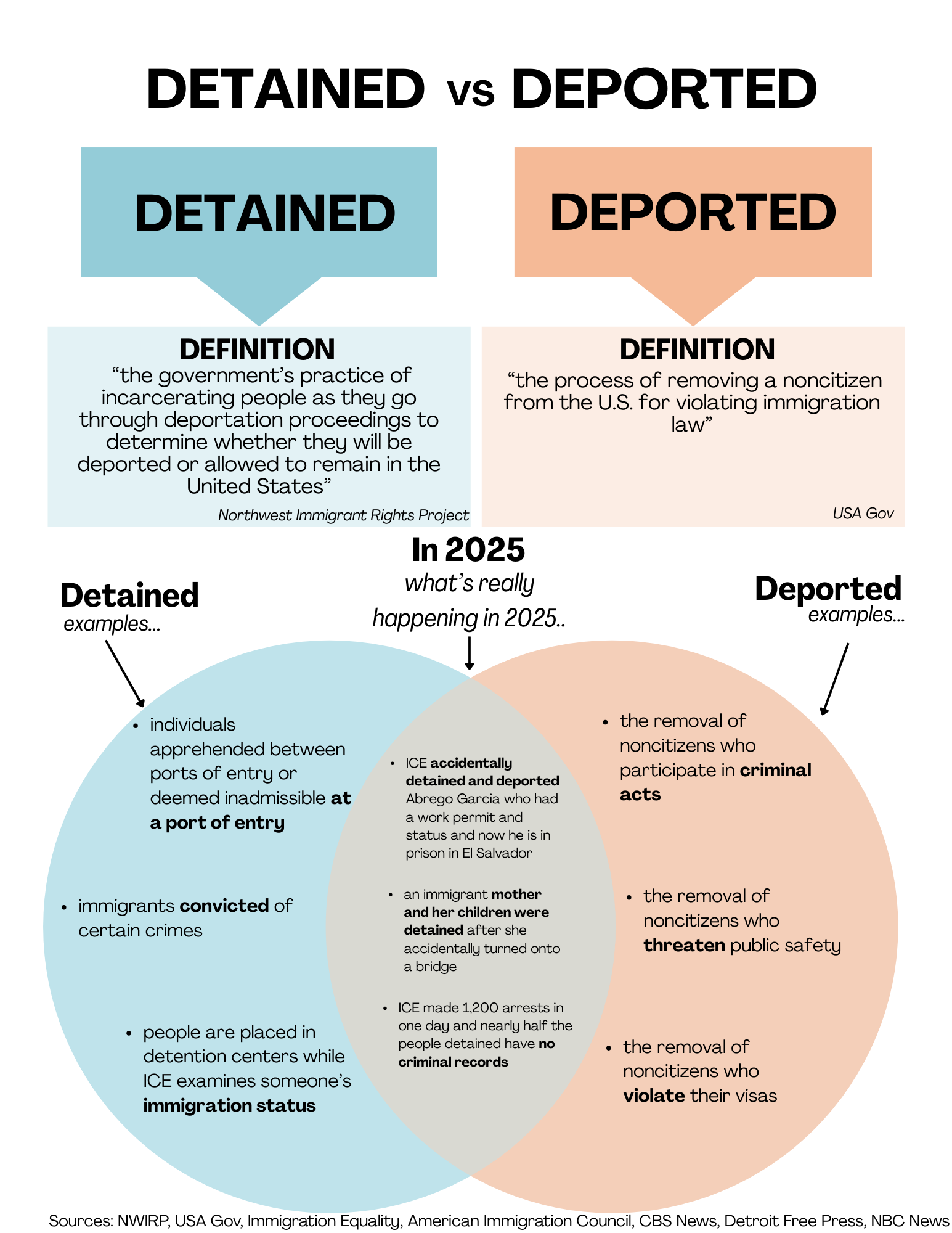
Many people have misconceptions about immigrants, asylum seekers, trafficking survivors, and refugees. Students set out to educate their community, dismantle stereotypes, and raise awareness of the challenges faced by these populations.
"This course and our nonprofit partnership showed me that justice is action. This informed my understanding of what justice is: you need to DO something to make change."
"As I reflect on this course, I feel like a more informed citizen, and I recognize problems in society that I did not think about before."
"Going to Asylee and sitting in the same seats that the [asylum-seekers] sit in was incredibly powerful and moving. Before visiting Asylee, I felt like I had a solid understanding of immigration. However, being in the nonprofit and experiencing what they do firsthand greatly deepened my understanding of immigration. I loved that we were able to take what we learned in the classroom and apply it to the real world. I also greatly enjoyed having the opportunity to connect with a nonprofit. It was so inspiring to see their space and learn about Asylee's mission. I think this took what we learned about immigration one step further and broadened my understanding."
"One idea in this course that challenged my thinking was the idea that we do not live single-issue lives. This is an idea that I had never thought about before, and it completely changed my perspective about so many topics. It deepened my understanding of the world and challenged how I think about what I read in the media. This idea has also helped me draw more connections in the world, and it has made me more empathetic and aware."
"Our collective experience with Asylee deepened my understanding of immigration justice and nonprofit work. I have found this experience so meaningful because we have really gotten the chance to make a difference for a real-life nonprofit. It was interesting going into their headquarters and learning about how they manage and operate this organization, and what they are going to do regarding the cuts on federal funding. Learning about these problems that Anna was talking about deepened my understanding of how difficult it is for immigrants to receive the justice they deserve."
"The real-world project for Asylee allowed me to consider their problems more deeply as a nonprofit organization and how we can serve them most effectively. Asking them what they need most at this time allowed us to brainstorm ideas to help them to the best of our ability. Considering everything we researched and learned directly from Anna at AWE allowed us to narrow our focus and create a meaningful project with the most significant impact."
"To see these problems up close and personal made it real for me. When we visited AWE, there was a bulletin board showing the dreams of the asylees. Some were simple, like cars, makeup, or money, but some were being reunited with family and friends. This showed me their humanity."
"One idea that challenged my thinking was just recognizing why we should care about justice. Sometimes it's easy to think that it doesn't matter if it doesn't affect you, but this is not a good way of thinking. Learning about the extent of injustice opened my eyes to a range of different problems that occur in our everyday lives. Not everyone has the privilege of fighting injustice or even living a life with little injustice. Fighting for justice helps make the world a better place to live in."
"Before this course, I never thought about what dehumanizing language meant. However, now I have a better understanding of how different people are treated and named inequitably and unfairly. I think a lot of people have misconceptions about different types of justice, and they misuse language around these topics. I also think that power systems need to do more to support their citizens rather than oppress them."
"Language is far more powerful than I expected. Not only as a weapon for justice, but also as a threat to it. In my most recent project, I learned about the effects of misinformation and how it can change the course of culture if the culture is misinformed."